
Gas refineries play a critical role in meeting global energy demands by processing natural gas into usable fuels and industrial feedstocks. However, bringing a gas refinery from construction to operational readiness is a highly complex and risk-sensitive process. A single misstep during erection or commissioning can lead to costly delays, safety incidents, or long-term performance issues. This is why Gas Refineries erection commissioning demands structured planning, skilled execution, and strict compliance with engineering and safety standards right from the beginning.
This blog explores seven proven best practices that help ensure gas refinery projects transition smoothly from installation to stable operation. These practices are drawn from real-world industrial experience and focus on safety, reliability, and operational efficiency rather than theoretical checklists.
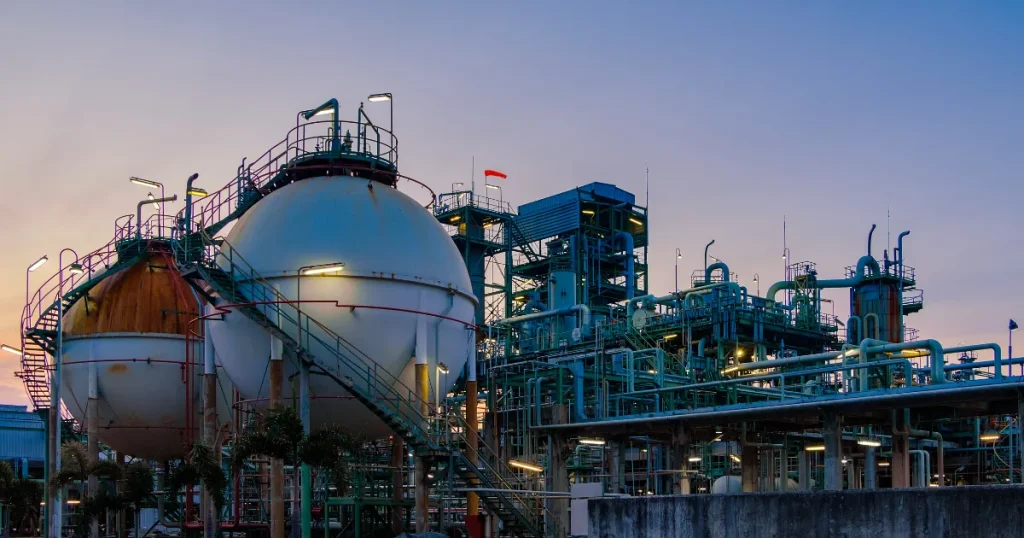
Understanding the Complexity of Gas Refinery Projects
Gas refinery projects involve multiple systems operating under high pressure, extreme temperatures, and hazardous conditions. Mechanical, electrical, instrumentation, and process systems must function in perfect coordination. Erection activities must align precisely with design intent, while commissioning verifies that every system performs as expected under real operating conditions.
Unlike smaller industrial facilities, gas refineries demand extensive coordination between EPC contractors, OEMs, safety teams, and operations personnel. This complexity makes best-practice execution essential rather than optional.
1: Start with Complete Design and Engineering Validation
One of the most common causes of commissioning delays is incomplete or inconsistent engineering documentation. Before erection begins, all drawings, datasheets, and material specifications must undergo a rigorous review process.
Engineering teams should confirm that layouts support safe access, maintainability, and operational flow. Load calculations, stress analysis, and equipment sizing must be verified against actual site conditions. Resolving design gaps early prevents costly rework during erection and avoids operational constraints later.
This upfront discipline sets the foundation for safe and predictable execution throughout the project lifecycle.
2: Ensure High-Quality Mechanical Erection Standards
Mechanical erection is not simply about installing equipment in place; it is about ensuring that installation quality supports long-term reliability. Precise alignment, correct torque values, proper grouting, and verified clearances are essential at this stage.
Special attention must be paid to heavy vessels, columns, and heat exchangers that form part of Gas Refineries static equipment, as improper installation can introduce stress, vibration, or fatigue issues once operations begin. Every installation activity should follow approved procedures and be validated through inspection checkpoints.
Quality-focused erection reduces commissioning failures and extends equipment life significantly.
3: Integrate Safety Systems from Day One
Safety should never be treated as a final checklist item. From the earliest erection stages, safety systems must be installed, tested, and integrated into overall plant logic. This includes fire and gas detection, pressure relief devices, emergency shutdown systems, and containment measures.
Commissioning teams must validate that safety interlocks function correctly under simulated fault conditions. Emergency response scenarios should be rehearsed with operating staff to ensure preparedness.
A proactive safety approach protects personnel, assets, and the environment while also supporting regulatory compliance and operational confidence.
4: Adopt a Structured Pre-Commissioning Strategy
Pre-commissioning bridges the gap between mechanical completion and live operation. Activities such as cleaning, flushing, pressure testing, loop checking, and system calibration confirm that installations meet performance expectations.
Instrumentation accuracy and control logic verification are particularly critical at this stage. Any unresolved issues discovered during pre-commissioning should be closed before introducing process fluids.
A disciplined pre-commissioning phase significantly reduces the risk of unplanned interruptions during live operations and supports smoother system handover.
5: Execute Commissioning in a Controlled Sequence
Commissioning should always follow a logical and system-based sequence rather than attempting to energize multiple units simultaneously. Utilities, auxiliary systems, and safety infrastructure must be operational before core process units are activated.
During Gas Refineries commissioning, performance parameters such as pressure, temperature, flow, and vibration should be monitored closely and compared against design benchmarks. Deviations must be investigated immediately to prevent escalation.
Controlled commissioning allows teams to isolate issues efficiently and build operational stability step by step.
6: Plan Early for Long-Term Reliability and Maintenance
Successful commissioning is not the end goal; sustained performance is. Maintenance strategies should be developed in parallel with commissioning activities. Equipment condition data collected during initial operation forms a valuable baseline for future diagnostics.
Processes related to Gas Refineries overhauling should be considered during commissioning to ensure accessibility, spare availability, and shutdown planning align with operational needs. Early planning reduces lifecycle costs and avoids reactive maintenance practices.
This long-term perspective ensures that the refinery remains efficient well beyond initial startup.
7: Strengthen Team Competency and Knowledge Transfer
Even the most advanced systems depend on skilled people to operate and maintain them. Comprehensive training programs should be conducted before and during commissioning. Operators must understand not only how systems work, but also why specific procedures exist.
Hands-on involvement during commissioning builds confidence and prepares teams to manage real-world operating scenarios. Clear documentation and structured handover processes further support operational continuity.
Strong human capability is the final safeguard for refinery safety and performance.

Managing Rotary Systems Effectively
Rotating machinery such as compressors, pumps, and turbines forms the dynamic core of refinery operations. Proper installation, alignment, and monitoring of Gas Refineries rotary equipment are critical to avoid vibration, seal failures, and efficiency losses.
Commissioning teams should establish vibration baselines and confirm lubrication performance under load conditions. These measures help detect early signs of mechanical stress and prevent unexpected downtime.
Documentation and Compliance: A Critical Success Factor
Accurate documentation ensures traceability, regulatory compliance, and operational clarity. All test results, inspection reports, and certifications must be compiled into structured handover dossiers.
These records support audits, troubleshooting, and future upgrades while ensuring that operational teams have full visibility into system history. Transparent documentation strengthens governance and accountability across the refinery lifecycle.
Why Best Practices Matter More Than Ever
As gas refineries grow larger and more complex, the margin for error continues to shrink. Regulatory expectations, environmental responsibilities, and operational pressures demand excellence at every stage of project execution.
By applying these best practices, project owners and contractors can achieve safer transitions from construction to operation while optimizing long-term performance. When executed correctly, Gas Refineries erection commissioning becomes a strategic advantage rather than a project risk.
Frequently Asked Questions
Q 1. What is erection and commissioning in gas refineries?
Erection involves installing equipment and systems as per design, while commissioning verifies that these systems operate safely and efficiently under real conditions.
Q 2. Why is commissioning critical for gas refineries?
Commissioning ensures that all systems perform as intended, reduces safety risks, and prevents costly operational failures after the plant becomes active.
Q 3. How long does gas refinery commissioning usually take?
The duration depends on refinery size and complexity but typically ranges from several weeks to a few months.
Q 4. What are common challenges during commissioning?
Typical challenges include incomplete installations, control system mismatches, instrumentation errors, and insufficient operator training.
Q 5. How can commissioning risks be minimized?
Risks can be reduced through early planning, strict quality control, structured testing, and strong coordination between engineering and operations teams.
Ensuring Long-Term Operational Excellence
Safe and efficient refinery operations begin long before production starts. By following structured best practices, investing in skilled execution, and prioritizing safety and reliability, gas refinery projects can achieve predictable outcomes and sustained performance.
When approached with discipline and expertise, Gas Refineries erection commissioning becomes the foundation for long-term operational excellence and industrial growth.